


From waste to useful energy is more than a concept — it’s the reality of a sector that has learned to turn by-products into sources of value. In sugar and ethanol plants, residues such as vinasse and filter cake have evolved from environmental liabilities into raw materials for biogas and biomethane, placing the industry within a more sustainable and economically attractive production cycle.
Sector Overview and Transformations
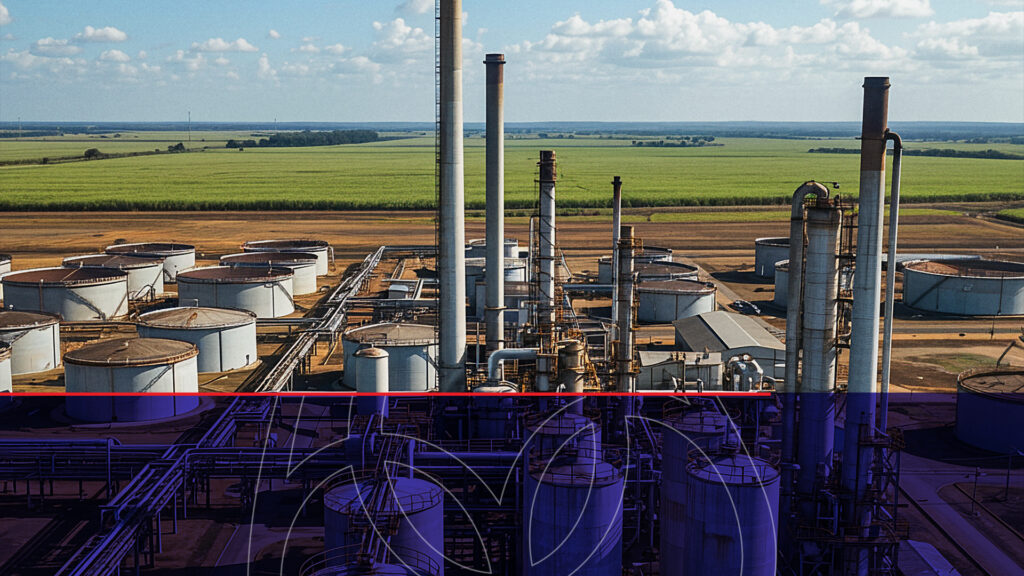
The sugar-energy sector plays a strategic role in Brazil’s energy matrix. In addition to producing sugar and ethanol, it also generates bioelectricity from sugarcane bagasse. Now, with anaerobic digestion technologies, liquid and solid residues — such as vinasse and filter cake — are used to produce biogas. This gas can be used directly for thermal or electric energy generation or purified to become biomethane, a renewable fuel that replaces fossil natural gas.
This innovation goes beyond immediate financial gains. It strengthens the plants’ sustainable positioning, opens space for new business models, and reduces environmental impacts. What was once an environmental liability becomes an economic and energy asset.
Efficiency Gains and New Revenue Streams
The reuse of residues brings progress on several fronts:
• Self-sufficient energy: Many plants reduce dependence on the power grid, ensuring stability and savings.
• Biomethane sales: Biomethane can fuel company fleets or be sold to industries and distributors, expanding revenue sources.
• Carbon credits: Waste recovery projects enable access to compensation mechanisms and enhance reputation with investors and communities.
• Reduced environmental impact: Proper vinasse treatment prevents soil and water contamination and reduces greenhouse gas emissions.
These benefits make biogas an increasingly attractive alternative compared to traditional disposal practices.
Equipment and Infrastructure as the Foundation of the Process
For the conversion of residues into energy to occur safely and continuously, industrial infrastructure is crucial. That’s where specialized equipment comes in:
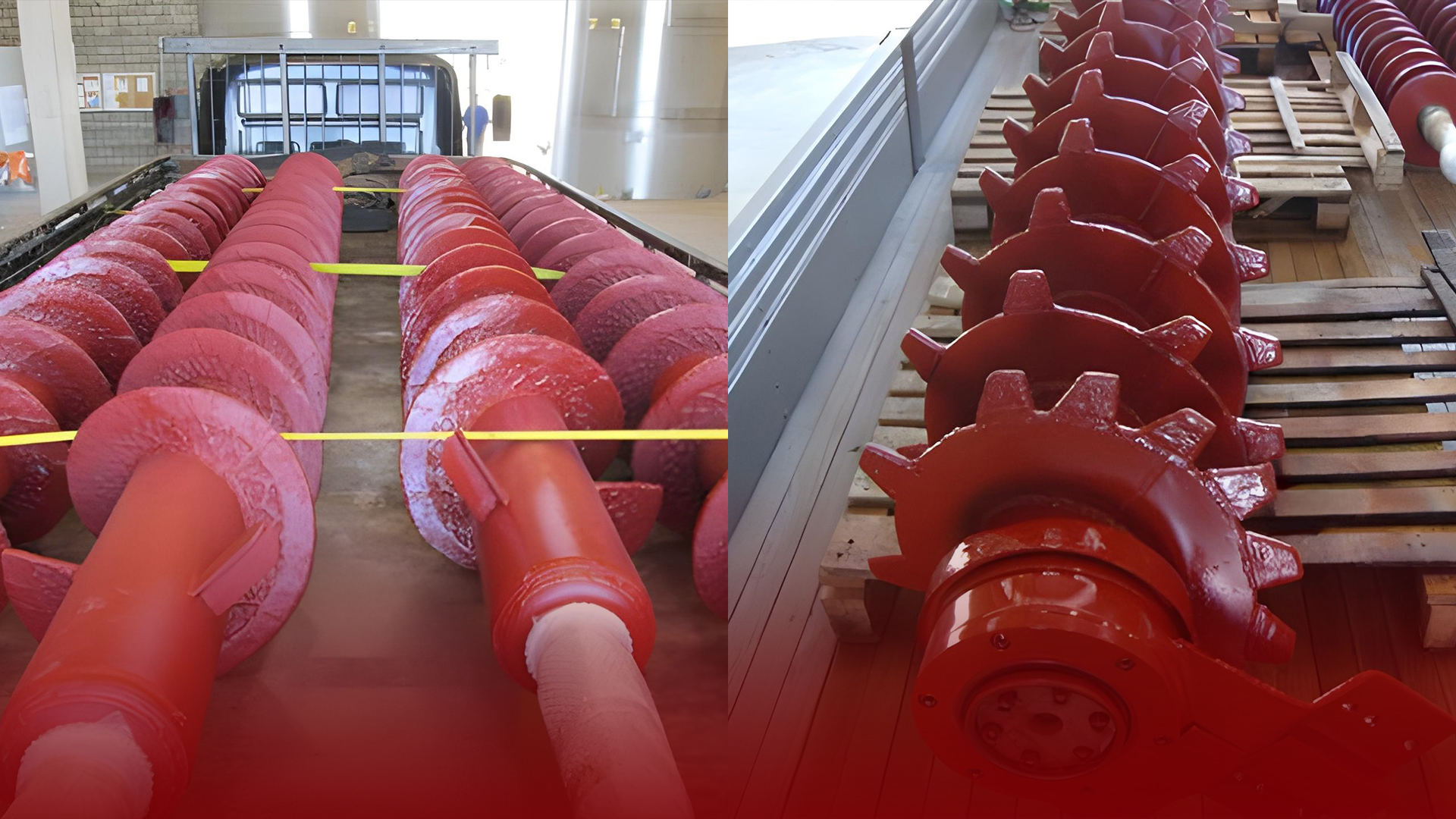
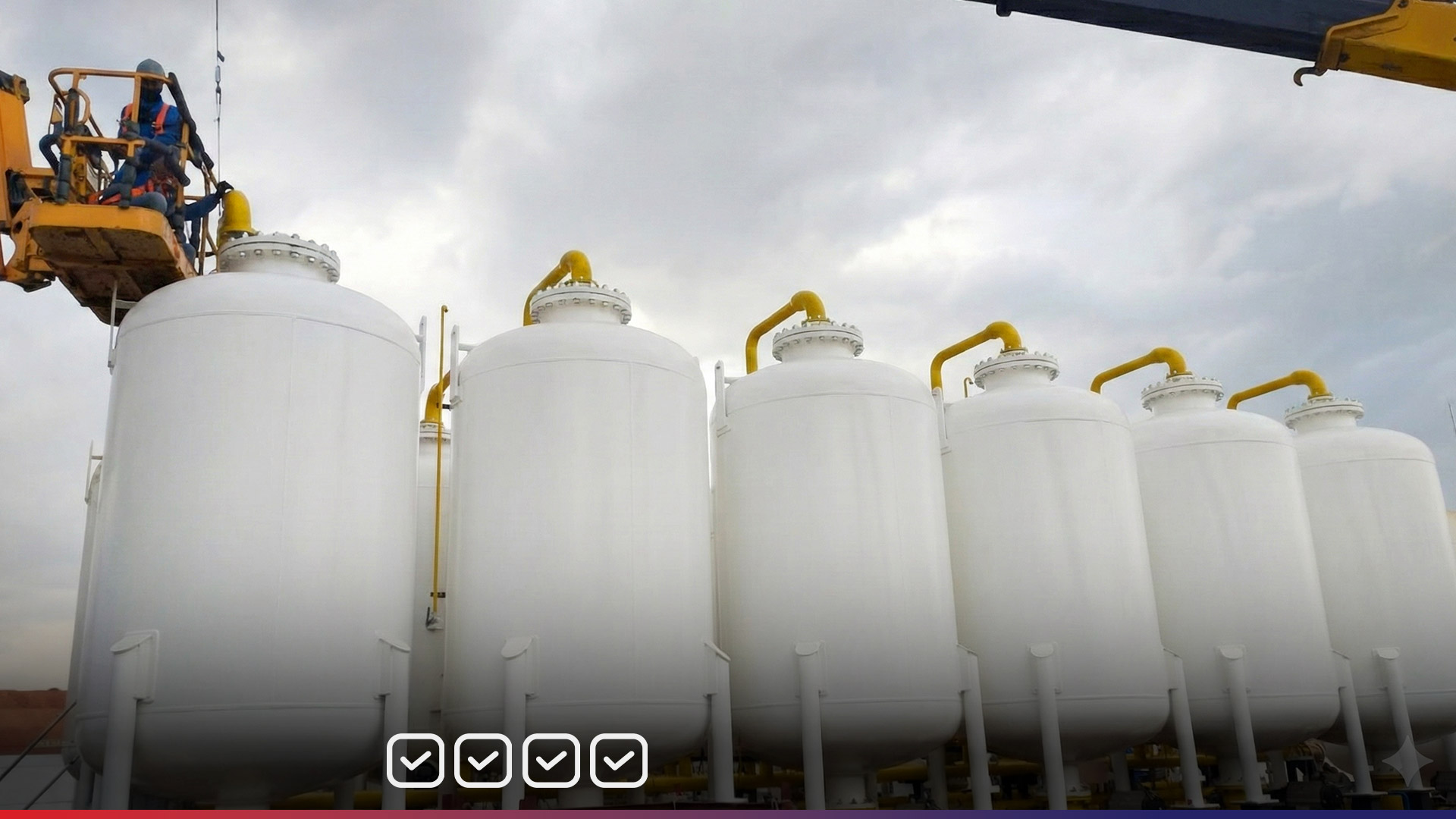
• Tanks and digesters: for biomass reception, equalization, and treatment.
• Pressure vessels: used for gas conditioning in separation and purification stages.
• Heat exchangers: regulate the temperature of digesters and biogas.
• Skids and interconnections: enable modular and safe system integration.
These elements are designed according to industrial engineering specifications, ensuring operational safety, material traceability, and complete technical documentation — essential factors for audits, inspections, and certifications.
The Role of Engineering and Integrators
In practice, engineering firms that design the industrial plant define and order the equipment. The end customer — such as a sugar and ethanol plant — influences the choice by validating suppliers and materials. This dynamic highlights the importance of technical reliability and detailed documentation, ensuring that the equipment meets standards and fits within the implementation schedule.
Future Perspectives
The trend is clear: plants investing in biogas and biomethane are positioning themselves not only as producers of food and liquid fuels but also as renewable energy hubs. This strengthens competitiveness in a scenario where energy efficiency and sustainability are increasingly essential.
With suitable equipment, integrated management, and a strategic vision, the path from waste to useful energy is no longer a promise — it’s a growing reality in Brazil.
If your industry aims to advance in this movement and ensure reliable equipment for biogas and biomethane projects, contact Ottani and learn how our solutions can support this transformation.