

The operational safety of pressure vessels is a highly relevant topic for industry, especially in sectors that handle fluids under high pressure and temperature. These pieces of equipment, used to store and process pressurized gases or liquids, require strict attention regarding their specification, manufacturing, installation, and maintenance. Any mistake in one of these steps can lead to serious accidents, posing risks to people, the environment, and industrial facilities.
In this article, you’ll learn how to ensure the operational safety of pressure vessels in industrial environments and which best practices are recommended to mitigate risks and ensure compliance with current technical standards.
Why is pressure vessel safety so critical?
Pressure vessels operate under extreme conditions, making them susceptible to structural failure if not aligned with technical requirements. A rupture can release energy uncontrollably, resulting in explosions, toxic leaks, and severe mechanical impacts. Operational safety is directly tied to the durability of the equipment, protection of operators, and continuity of industrial processes.
Key standards and regulations
In Brazil, NR-13 (Regulatory Standard No. 13) from the Ministry of Labor is the main legal reference for pressure vessels. It sets the minimum requirements for design, fabrication, operation, inspection, and maintenance. Technical standards like ASME Section VIII and API 510 are also widely adopted to ensure vessel integrity.
Compliance with these standards is essential not only to meet legal obligations but to ensure safe operation throughout the vessel’s lifespan.
Key steps to ensure operational safety
For a pressure vessel to remain safe throughout its use, best practices must be followed from design through continuous maintenance:
- Proper design and technical specification
Safety starts with well-calculated design. Factors like operating pressure, fluid type, temperature, duty cycles, and installation conditions must be considered. Improper materials or undersizing can seriously compromise the vessel’s integrity. - Manufacturing in compliance with standards and strict quality control
Manufacturing must follow rigorous specifications, including certified welding processes, hydrostatic testing, and non-destructive inspections. Material traceability and technical documentation are essential for certification and safety. - Correct installation and commissioning
Installation must comply with design parameters and ensure the vessel is properly secured, insulated, and protected against overpressure. Commissioning should include operational tests to verify system integrity and performance. - Periodic inspections and preventive maintenance
NR-13 requires regular internal and external inspections by certified professionals. Preventive maintenance, including replacement of critical components and thickness monitoring, is key to preventing failure due to wear or corrosion. - Training and safety culture
Beyond technical factors, safety depends on the training of personnel involved in operation and maintenance. Establishing a safety-oriented organizational culture ensures compliance with procedures and early identification of irregularities.
Ottani’s expertise in manufacturing pressure vessels
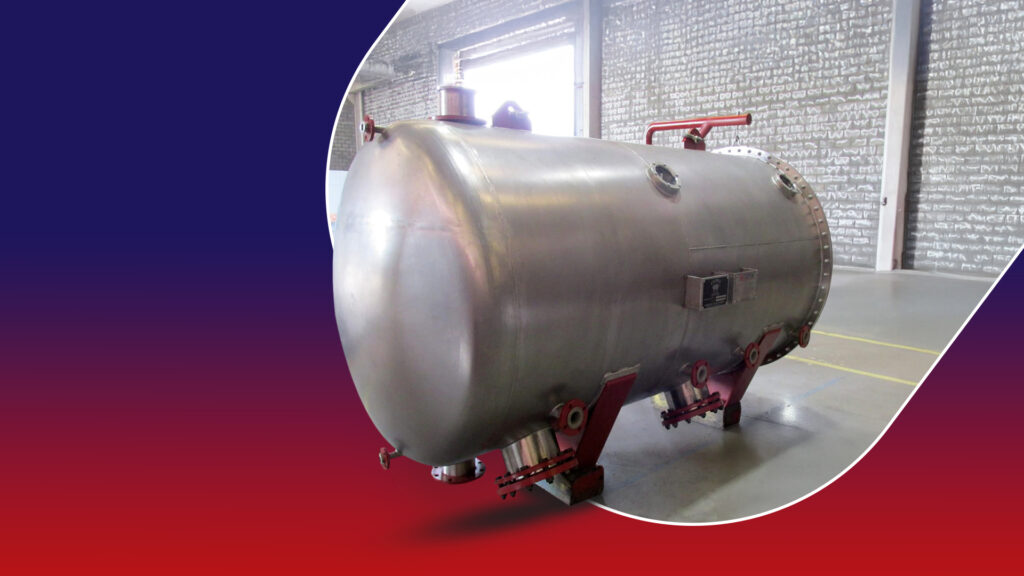
With decades of industrial experience, Ottani is a national reference in the manufacture of custom pressure vessels. We offer a complete boiler shop, specialized engineers, and certified quality processes. Our vessels are built to national and international standards, with a focus on safety, reliability, and performance.
Want to ensure safety in your industrial processes?
Contact Ottani to learn more about our custom-made pressure vessels built to meet your sector’s technical requirements.