


A well-prepared specification begins long before the drawing, quotation, or manufacturing stage. Before defining a tank, pressure vessel, reactor, heat exchanger, screw conveyor, or any other piece of equipment, it is essential to clearly map the real application conditions, because these data are what guide material selection, dimensions, accessories, safety criteria, documentation, and expected service life. This care is especially relevant in sectors such as sugar and ethanol, biogas, chemical, pulp and paper, wood, and oil processing, in which Ottani operates with the manufacturing of industrial equipment and related services.
Why data collection comes before specification
In the industrial routine, it is common for the need to arise to replace existing equipment, increase capacity, correct recurring failures, or adapt the plant to a new operating condition. In these situations, many decisions are accelerated by urgency. Even so, when data collection is superficial, the risk of error increases.
Equipment that appears to be “the same as the previous one” may no longer meet the current operation. Changes in flow rate, temperature, product, operating regime, chemical characteristics of the fluid, or installation conditions can completely change what should be specified. In practice, this may lead to premature wear, unplanned shutdowns, maintenance difficulties, performance loss, and additional costs over time.
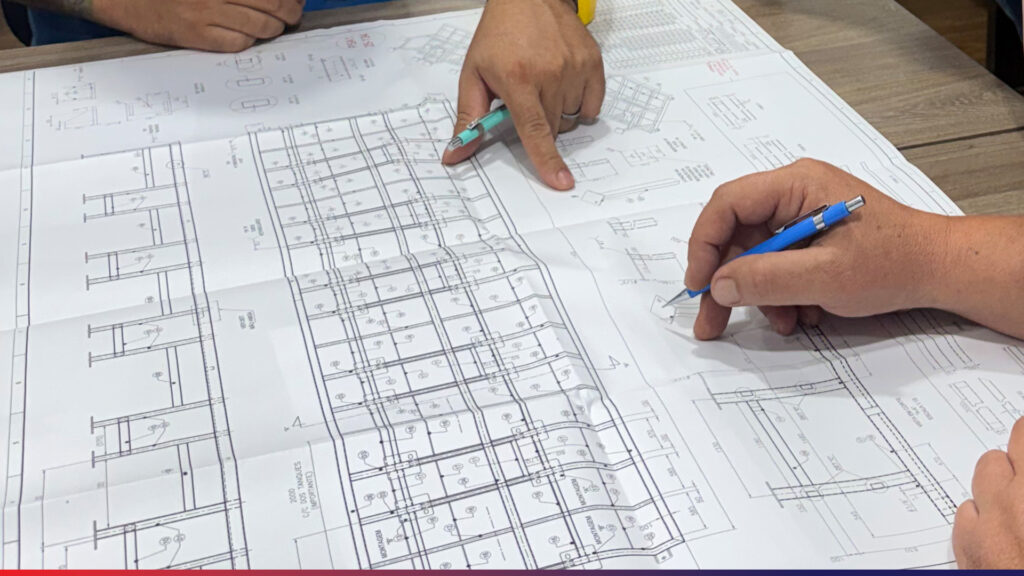
For this reason, specifying correctly does not simply mean informing dimensions. It means understanding the process, its limits, and its variables. The quality of the specification depends directly on the quality of the information gathered in the field and validated among operations, maintenance, engineering, and procurement.
What needs to be gathered before specifying
For the equipment definition to have a consistent technical basis, some groups of information need to be collected from the beginning.
1. Characteristics of the processed product or fluid
The first step is to understand what will pass through, be stored, react, exchange heat, or be conveyed in the equipment. This includes questions such as:
- What is the product?
- Is it corrosive, abrasive, viscous, flammable, or temperature-sensitive?
- Is there the presence of solids, fibers, crystals, gases, or vapors?
- Is there any variation in composition throughout the operation?
This block of data directly influences the choice of material, lining, construction type, and internal components. In industrial applications, the definition between stainless steel, carbon steel, and other construction resources depends on this prior understanding. Materials and technical compliance appear as an important part of Ottani’s value proposition across different equipment lines.
2. Operating conditions
Next, it is necessary to record how the process actually operates. This includes:
- Operating temperature
- Operating pressure
- Flow rate
- Required capacity
- Continuous or batch regime
- Peaks, oscillations, and start-ups
- Frequency of use
This set affects the sizing and the behavior of the equipment over time. Equipment subjected to severe cycles, thermal variations, or high pressure requires different construction criteria than a stable application.
3. Installation environment
Not every failure originates inside the equipment. Many arise from the surrounding conditions. Therefore, before specifying, it is important to verify:
- Indoor or outdoor area
- Presence of humidity, weather exposure, or aggressive agents
- Available space for assembly
- Access for maintenance
- Interference with structures, piping, and utilities
- Handling and installation conditions
This care prevents assembly problems, operational restrictions, and unnecessary future interventions. Ottani itself highlights handling, assembly, and installation as a relevant part of the industrial delivery cycle.
Checklist of what influences performance and service life
To facilitate the analysis, it is worth using a technical checklist before closing the specification:
Process data
- Product, fluid, or conveyed material
- Temperature and pressure range
- Flow rate, volume, or capacity
- Residence time, when applicable
- Presence of solids, fouling, or abrasion
- Seasonal or campaign variations
Construction data
- Manufacturing material
- Need for linings or insulation
- Type of connection and nozzles
- Accessories and instruments
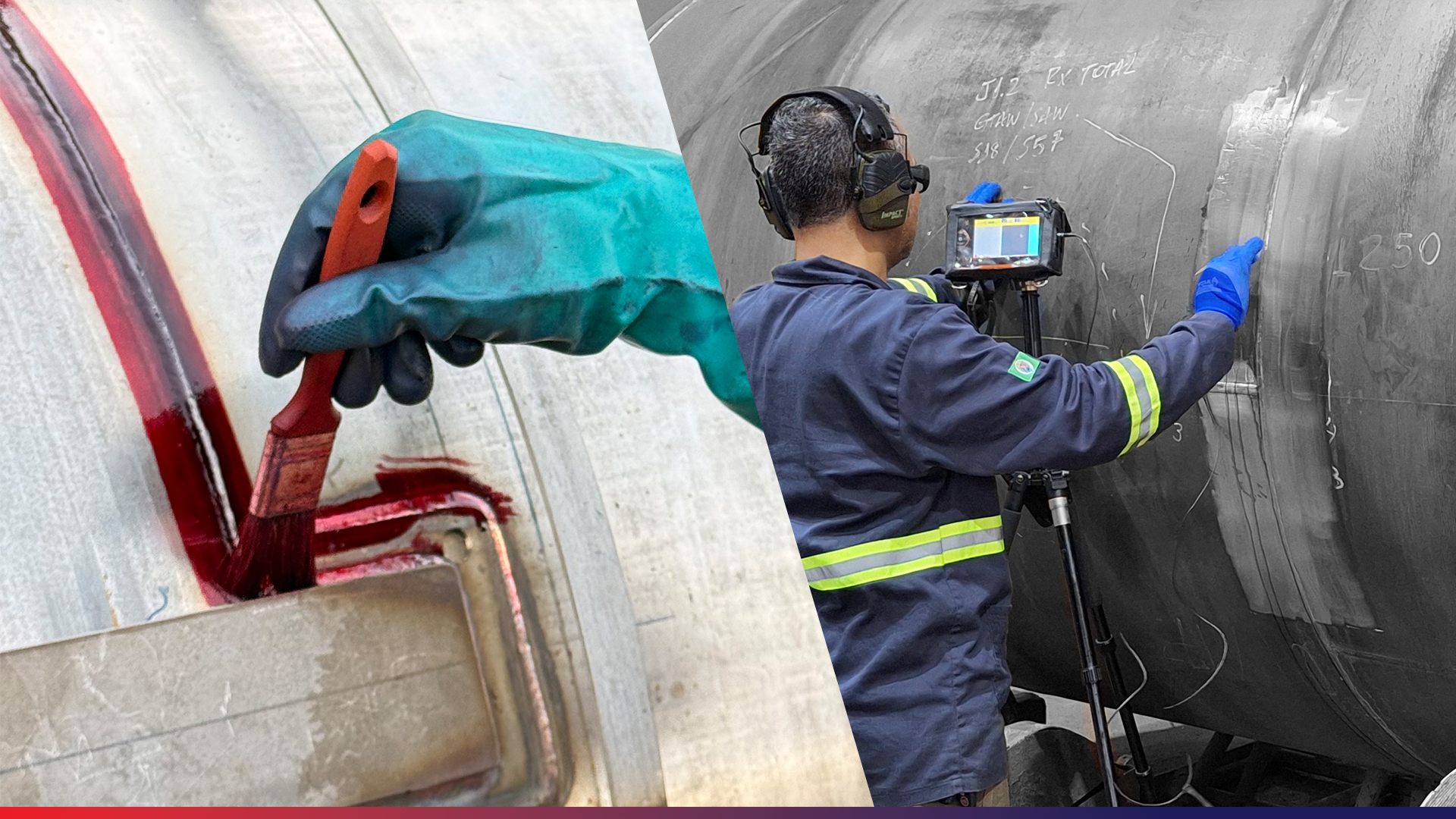
- Welding, inspection, and testing requirements
Operation and maintenance data
- Operating regime
- Failure history of the previous equipment
- Ease of cleaning and inspection
- Maintenance frequency
- Availability of parts and technical access
Quality and documentation data
- Required certificates
- Material traceability
- Inspection reports
- Databook
- Requirements of the end customer or the engineering contractor
This last point is especially important in more structured industrial supply projects. In materials related to Ottani, ISO 9001:2015, non-destructive testing, traceability, and organized technical documentation appear as differentiators, elements that contribute to quality control and supply tracking.
Who should participate in this data collection
Another common mistake is to concentrate the specification in a single department. The result tends to be incomplete. Ideally, it is important to gather the perceptions of those who live the operation and those who support the asset on a daily basis.
Normally, it is worth involving:
- Operations, which know the real process conditions
- Maintenance, which identifies recurring failures and intervention difficulties
- Engineering, which validates technical criteria
- Procurement, which supports the consolidation of scope and deadlines
This alignment reduces rework, improves the accuracy of information, and helps compare proposals more consistently.
Specifying better means reducing technical and financial risk
When data collection is done properly, the specification stops being generic and starts reflecting what the plant actually needs. This brings concrete gains: more predictability in manufacturing, better fit for the application, fewer field adjustments, lower chance of premature wear, and more safety for operation and maintenance.
In an industrial environment, performance and service life do not depend only on manufacturing quality. They also depend on the quality of the decisions made before the order is placed. The more complete the process diagnosis, the greater the chance that the equipment will meet the demand consistently over time.
If your company needs to replace, adapt, or acquire industrial equipment, Ottani can support this analysis based on manufacturing experience, technical documentation, and solutions aligned with real operating conditions. Contact the team to assess your need with greater technical criteria.