

The screw conveyor is one of the most widely used pieces of equipment in industry for the continuous handling of solid materials. Present in processes that require operational regularity, flow control and integration with other systems, this equipment plays a strategic role in production lines across different industrial segments. Throughout this article, the topic screw conveyor for efficient material handling will be explored from a technical and applied perspective, covering operation, selection criteria, applications and operational care.
What a Screw Conveyor Is and How It Works
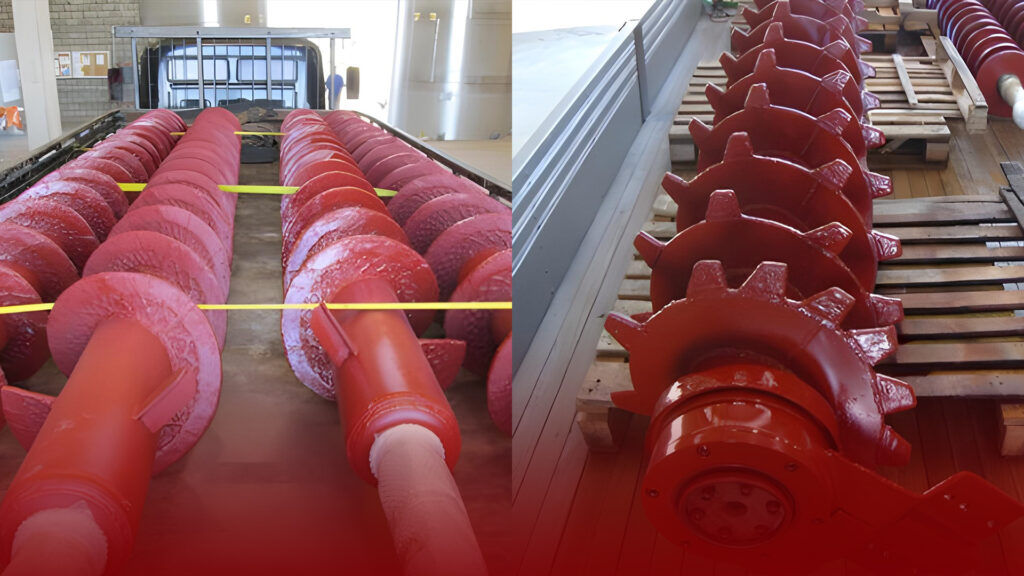
The screw conveyor basically consists of a metallic helical flight mounted on a shaft, rotating inside a tube or trough. This rotational movement promotes the continuous and controlled displacement of material along the equipment.
The operating principle is simple, yet highly reliable from a mechanical standpoint. As it rotates, the screw pushes the solid material from one point to another within the process, maintaining a constant and predictable flow rate. This feature makes the screw conveyor suitable for operations that require stability and integration with subsequent stages, such as dosing, mixing, drying or feeding other equipment.
In addition, the screw can operate in different configurations, such as horizontal, inclined or vertical, adapting to the physical constraints of the industrial plant and the existing layout.
Main Industrial Applications
The versatility of the screw conveyor allows its use in various sectors. In each of them, the equipment performs specific functions within the production process, always associated with the handling of bulk solids or particulate materials.
In the sugar and ethanol sector, for example, the screw is widely used for transporting sugarcane bagasse, filter cake and other by-products. In the wood industry, it is commonly applied to move chips, sawdust and residues generated during wood processing.
In pulp and paper, the screw conveyor is used to handle chips and fibers, integrating preparation and feeding stages of the systems. In the biogas segment, the equipment is employed to convey biomass and organic waste to digesters and treatment systems. Chemical processes and oil processing operations also benefit from the screw for the controlled transport of solid materials in demanding industrial environments.
Technical Criteria for Proper Specification
Selecting an appropriate screw conveyor goes far beyond defining its length or diameter. It is essential to consider the characteristics of the conveyed material, such as particle size, bulk density, abrasiveness, moisture content and flow behavior.
Another relevant factor is the operating regime. The required capacity, shaft rotation speed and type of drive directly influence the long-term performance of the equipment. The correct selection of construction materials, such as carbon steel or stainless steel, must also take into account the operating environment, the presence of corrosive agents and the hygiene requirements of the process.
Furthermore, details such as the type of flight, screw pitch, internal clearances and sealing systems contribute to operational reliability and to the reduction of material losses during transport.
Integration with the Industrial Process
One of the main advantages of the screw conveyor is its ease of integration with other industrial equipment. It can be installed before or after tanks, reactors, cyclones, dryers or centrifuges, ensuring continuity of the production flow.
This integration allows greater process predictability, improved plant organization and reduced manual interventions. In industrial environments that operate continuously, this aspect is decisive for maintaining production stability and operational control.
Maintenance and Equipment Service Life
Although it has a relatively simple construction, the screw conveyor requires periodic care to preserve its service life. Regular inspections of the flight, shaft and bearings help identify natural wear caused by friction with the conveyed material.
Adopting preventive maintenance routines reduces the likelihood of unplanned shutdowns and contributes to the safe operation of the system. In addition, proper initial specification of the equipment has a direct impact on component durability and long-term performance throughout production cycles.
Screw Conveyor as Part of the Industrial Solution
When properly designed and correctly integrated into the process, the screw conveyor becomes a key element in the handling of solid materials. Its reliability, adaptability and constructive simplicity make it a widely adopted solution in modern industrial plants.
Companies with experience in engineering and manufacturing industrial equipment, such as Ottani, develop screw conveyors aligned with the requirements of each application, respecting technical specifications, operating conditions and the demands of each served segment.
By considering the screw conveyor as a strategic part of the process, industry gains organization, predictability and operational control, which are fundamental factors for consistent and sustainable industrial operations.
If your operation requires reliable solutions for the continuous handling of solid materials, get in touch and learn about the screw conveyor options developed to meet the specific needs of your industrial process.