


The role of engineering companies in purchasing industrial equipment goes far beyond selecting a supplier. In projects managed by integrators, engineering acts as a link between the needs of the end customer and the companies responsible for manufacturing the equipment, translating process requirements into technical specifications, quality criteria, and documentation requirements.
This connection is essential to ensure that the equipment received is aligned with what was planned for the industrial implementation.
Specifications guide the supply process
Before the quotation stage, the engineering team defines the characteristics the equipment must meet. Depending on the application, aspects such as materials, dimensions, operating conditions, construction requirements, inspection criteria, and required documentation are established.
This information guides the manufacturer during the preparation of the proposal and, subsequently, throughout the manufacturing process.
The clearer the specification, the lower the likelihood of discrepancies between what was defined by the engineering team and what will ultimately be delivered to the end customer.
Documentation is part of the equipment
In industrial supply projects, the assessment does not end with the manufacturing of the metal component. Technical documentation must also accompany the process.
Material certificates, traceability records, inspection reports, and test results may be included in the equipment databook, allowing the engineering team to monitor and document the stages related to the supply process.
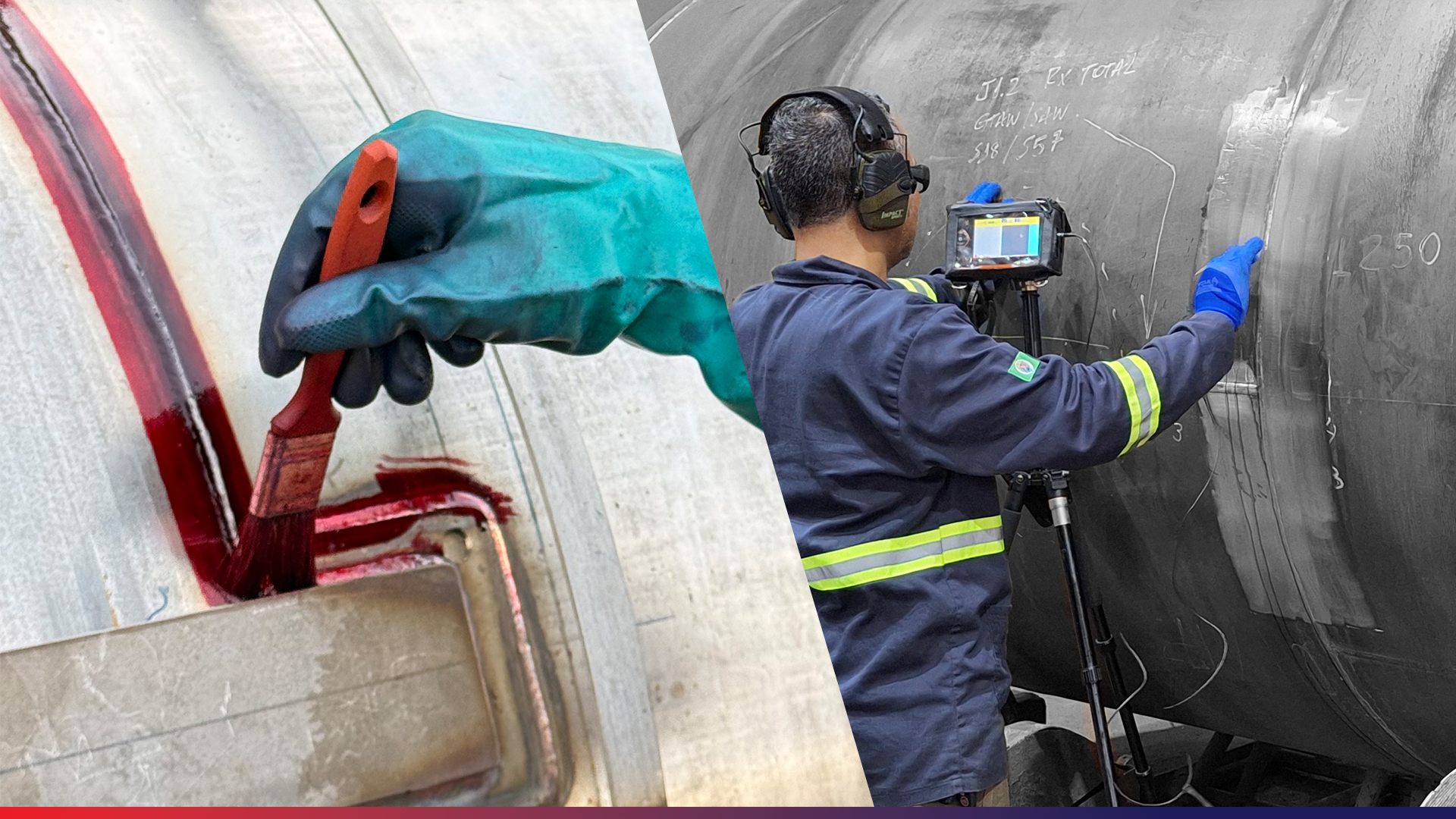
Non-destructive testing (NDT), such as liquid penetrant testing (PT), magnetic particle testing (MT), radiographic testing (RT), and ultrasonic testing (UT), may also be part of the controls established for specific manufacturing processes. Ottani has qualified professionals for different inspection methods and holds ISO 9001:2015 certification.
Manufacturing and schedule must move forward together
For an integrator, lead time does not refer only to the date when the equipment leaves the factory. The supply process must be aligned with the subsequent stages of implementation, such as transportation, receiving, assembly, and commissioning.
For this reason, manufacturing capacity, production organization, inspections throughout the manufacturing process, and proper preparation for shipment become relevant criteria when selecting a supplier.
Ottani has approximately 70,000 m² of infrastructure and supplies industrial equipment according to the specifications established by engineering companies, with traceability, documentation, and quality controls associated with the manufacturing process.
An integrated relationship between engineering and manufacturer
When specifications, manufacturing, and documentation are connected, the engineering team can monitor the supply process with greater clarity and prepare for the next stages of implementation.
In this context, choosing an industrial manufacturer means evaluating not only its ability to manufacture the equipment, but also its capacity to meet the technical and documentation requirements established for the supply.
Is your engineering team looking for a supplier for an upcoming industrial demand? Contact Ottani and submit your supply specifications.