

In the manufacturing of industrial equipment, each stage of the process must be carried out with control, records, and technical responsibility. When it comes to tanks, pressure vessels, reactors, heat exchangers, screw conveyors, cyclones, and other equipment used in critical operations, delivering a finished structure is not enough. It is necessary to prove the origin of the materials, monitor the manufacturing process, and gather evidence that confirms the conformity of the delivered equipment.
In this context, industrial traceability becomes essential. Traceability makes it possible to track the history of the material and the processes involved in the manufacturing of each component. In practice, this means recording everything from the receipt of raw materials to the final delivery of the equipment, ensuring that each stage can be checked, audited, and linked to the required technical specifications.
Control begins with material receipt
Traceability begins even before manufacturing starts. Upon receipt of the raw material, it is necessary to check certificates, identify batches, verify dimensions, thicknesses, material characteristics, and compatibility with the intended application. This stage prevents unsuitable materials from moving forward to production and reduces the risk of nonconformities during manufacturing.
In industrial equipment, this verification is even more relevant because different applications require different levels of strength, finish, and safety. Equipment intended for corrosive environments, high temperatures, high pressure, or contact with chemical products, for example, must be manufactured with materials compatible with these conditions.
Records during manufacturing
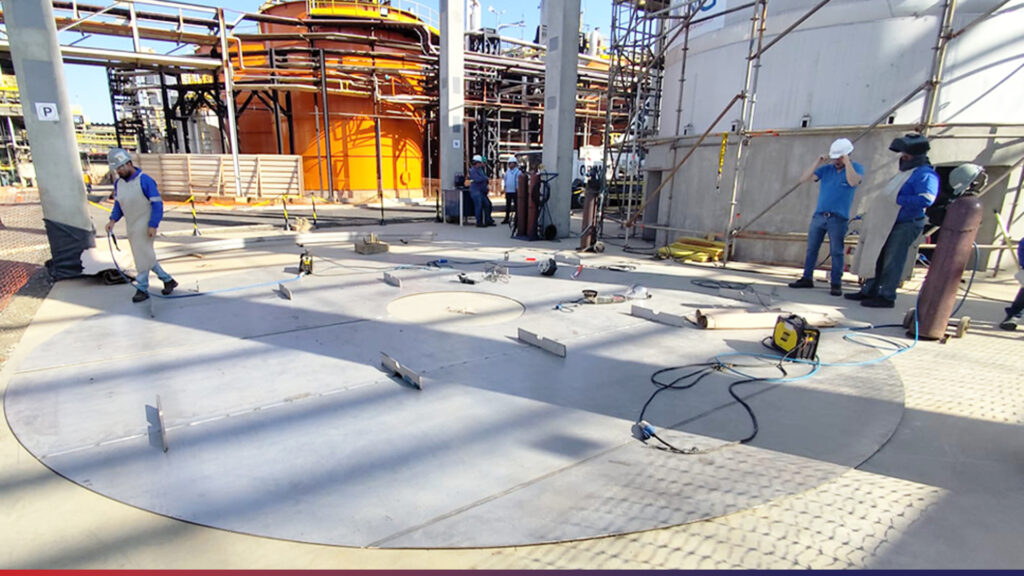
After the material enters production, control continues throughout the manufacturing process. Cutting, forming, assembly, welding, inspections, and finishing must be supported by technical records. Each stage must remain connected to the material used, the procedures applied, and the checks performed.
This monitoring contributes to manufacturing standardization and makes it easier to identify possible deviations. If it becomes necessary to review a stage, locate a material batch, or prove a specific procedure, traceability provides the history needed for a safer technical analysis.
Inspections and technical documentation
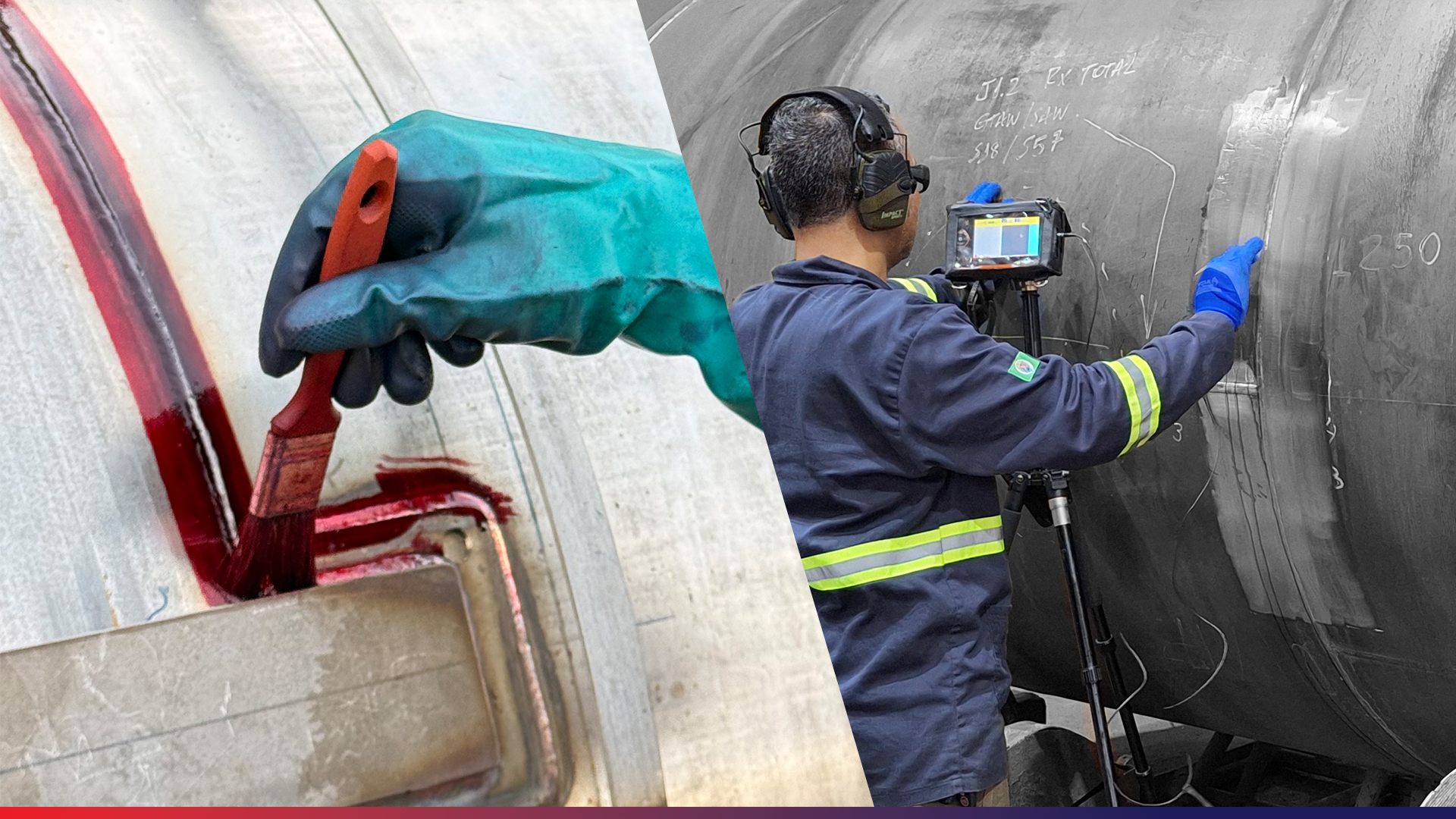
Another important point is the relationship between traceability, inspection, and documentation. Non-destructive testing, visual inspections, dimensional controls, and other checks help validate the integrity of components without compromising their use.
When properly organized, these records make up the equipment’s technical documentation, often gathered in the Data Book. This set of documents may include material certificates, inspection reports, test records, drawings, procedures, and other evidence related to manufacturing.
For the client, this documentation facilitates audits, internal inspections, technical receiving, assembly, and future maintenance. For the manufacturing industry, it represents organization, transparency, and control over what was produced.
Final delivery with greater safety
Traceability also impacts final delivery. Equipment that is correctly identified, accompanied by organized documentation, and manufactured with control from the raw material stage offers greater safety for those who will receive, install, and operate it.
In sectors such as sugar and ethanol, pulp and paper, chemical, biogas, wood, and oil processing, equipment failures can cause significant operational impacts. For this reason, technical control should not be seen merely as a bureaucratic step, but as an essential part of industrial reliability.
Ottani manufactures industrial equipment with a focus on quality, technical control, and conformity, monitoring production stages to deliver solutions aligned with the requirements of each operation.
When traceability is treated as a priority, manufacturing gains greater precision, documentation becomes more consistent, and the client receives equipment with a clear history, ready to meet the demands of the industry with greater confidence.
Do you need industrial equipment manufactured with technical control, traceability, and organized documentation? Contact Ottani and learn about solutions developed to meet the requirements of your operation with quality, safety, and reliability.